Building Big Thinking with Linking Cubes in the K–1 Classroom
STEM-Ready Manipulatives – How Linking Cubes Boost Learning in Kindergarten & 1st Grade: Linking Cubes are more than just colorful blocks—they’re a hands-on tool that helps young learners explore, build, and understand big ideas. Whether you’re teaching math, encouraging creativity, or adding a little STEM fun, linking cubes can transform learning from ordinary to engaging.
Linking Cubes are excellent for fine motor development because they require small, precise movements.
Here’s why they help:
-
Pinching and connecting: Students use their thumb and fingers to push cubes together and pull them apart—strengthening hand muscles.
-
Control and coordination: Aligning cubes so they fit correctly improves hand-eye coordination.
-
Dexterity practice: Repeated snapping and twisting builds endurance for writing, cutting, and coloring.
-
Bilateral use: Kids often use both hands together—one to hold, one to connect—which supports overall motor planning.
Hands-On Learning at Its Best
Kindergarten and first-grade students thrive when they can touch, move, and build. Linking Cubes make abstract concepts real. Counting, adding, subtracting, comparing, and grouping all become concrete when kids can physically see and feel the numbers.
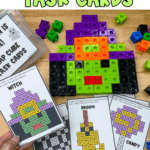
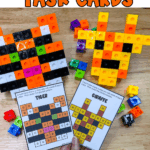
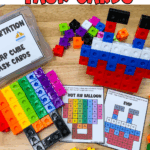
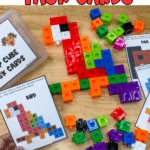
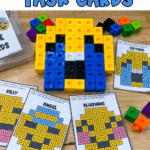
Each card gives students a clear challenge—build a pattern, match a number, or design a specific shape. These cards encourage independence and keep students focused while still having fun.


Perfect for STEM and Problem Solving
Linking Cubes naturally invite exploration and experimentation—two key parts of STEM learning. Students can:
-
Build towers and measure height.
-
Create patterns and sequences.
-
Design structures from the task cards.
-
These activities strengthen problem-solving, spatial reasoning, and fine motor skills—all while making learning feel like play.
Promoting Collaboration and Creativity
Linking Cubes are great for group activities. You can challenge teams to build shapes, solve puzzles, or model math problems together. Students learn to communicate, share ideas, and celebrate success. They’re also perfect for centers or “early finisher” bins, where kids can independently explore while staying engaged.


Easy to Integrate Across Subjects
Linking Cubes aren’t just for math. Use them to spell sight words, count syllables, graph data, or even represent story characters. They’re simple to clean up, store, and reuse—making them a must-have classroom tool that grows with your students.
If you’re looking for a hands-on, low-prep way to boost engagement and understanding, linking cubes are it. They turn learning into building, thinking, and creating—all while giving your students the confidence to explore and discover.
Until next time!
Shanon Juneau, We Are Better Together