Engage young learners with easy-to-use elementary grammar worksheets! Build strong reading and writing skills through fun, standards-based practice covering nouns, verbs, punctuation, and more.
When you think about teaching grammar to first graders, you might picture a lot of head tilts and puzzled faces. Trust me, I’ve been there! But grammar lays the foundation for strong reading and writing skills, even at this young age. When our little learners start to understand how sentences are built, how punctuation guides meaning, and how nouns can be singular or plural, they’re building confidence that carries across every subject area.
The only problem? Our grammar curriculum was… well, pretty much non-existent. Yet, our students were still expected to master the language standards. So what did we do? We rolled up our sleeves and created the resources our students needed!
Elementary Grammar Worksheets
I’m beyond excited to share my 1st Grade Language Standards Grammar Bundle with you! This bundle was truly a labor of love, designed out of necessity and shaped by what our students needed most.
Why You’ll Love these Elementary Grammar Worksheets:
- Easy Prep: Just print and go! No complicated setups or hours of prepping.
- Variety Galore: Tons of different types of worksheets cover each standard in fresh and engaging ways.
- Kid-Friendly Layout: The pages are clean, simple, and not overwhelming — perfect for first graders who are just building their stamina.
- Answer Keys Included: Because we all know how valuable a teacher’s time is!
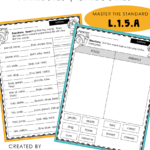
✏️ Capitalization – Fix the Sentence Worksheets:
When I first started teaching capitalization to my first graders, I thought it would be one of those “easy wins” — you know, a quick mini-lesson and done. But then I’d read their writing: “i went to disney world with my mom and dad it was so fun.” No capital “I,” no capitals for “Disney World.”
That’s when I realized: It’s a small skill that makes a big difference! But it’s going to take A LOT of practice!
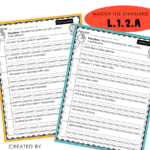
These master the standards worksheets cover capitalization of dates and names of people. (Standard L.1.2.A) The simple layout and one standard topic is a great way for your students to get all the necessary practice to master the standard!
COMES WITH:
- 30 Pages to practice these skills
- ANSWER KEYS

✏️ Nouns (singular and Plural) Worksheets:
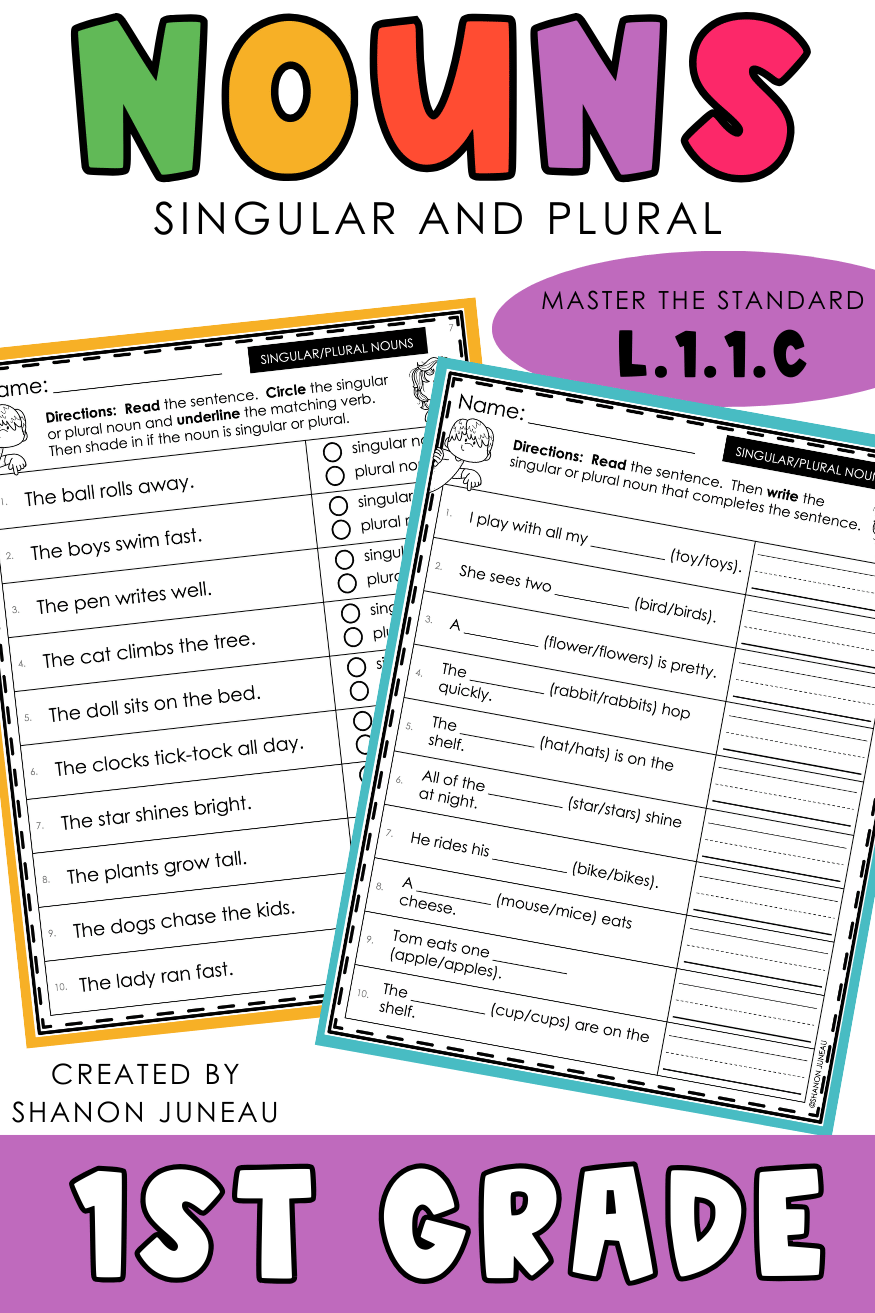
I’ll never forget the day one of my sweet first graders proudly wrote, “I have two cat.” We celebrated the sentence because, hey — it had a capital letter, it had spaces, it even had ending punctuation! But it also reminded me just how important it is to teach the difference between singular and plural nouns. Understanding when to add that “s” (or sometimes “es”) helps students express their thoughts clearly and accurately.
It’s one of those foundational skills that sneaks into everything they do — from writing stories to solving word problems in math. Giving students lots of fun, minds-on practice with singular and plural nouns builds their confidence and helps their sentences make sense to their readers. Plus, it’s so rewarding to watch them proudly catch and fix those little “one vs. more than one” mistakes on their own!
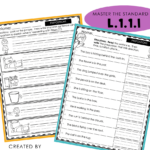
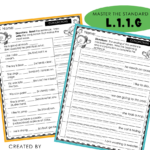
These master the standards worksheets cover singular and plural nouns. (Standard L.1.1.C) The simple layout and one standard topic is a great way for your students to get all the necessary practice to master the standard!
COMES WITH:
- 40 Pages to practice these skills
- ANSWER KEYS
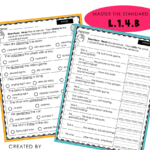
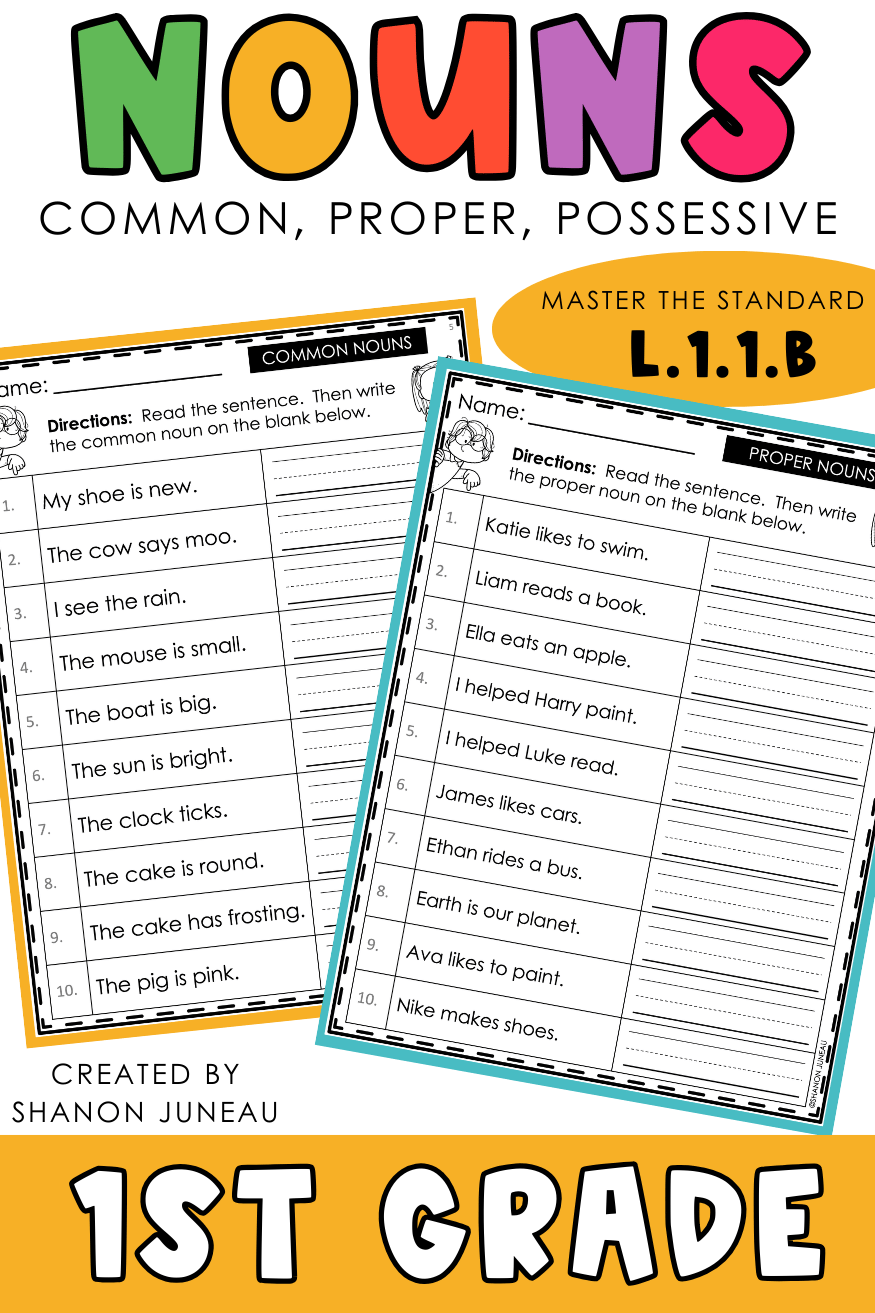
✏️ Nouns Common, proper, possessive Worksheets:
Building a strong understanding of nouns, including common, proper, and possessive forms, is essential for developing clear communication skills. First graders need to recognize common nouns to describe everyday objects and ideas, proper nouns to name specific people, places, and things with correct capitalization, and possessive nouns to show ownership.
Mastery of these forms helps students write with precision and clarity, making their sentences more complete and meaningful. Practicing all three types early on gives students the tools they need to express themselves accurately in both speaking and writing, setting the foundation for more advanced grammar skills in later grades.
These master the standards worksheets cover common, proper, and possessive nouns. (Standard L.1.1.B) The simple layout and one standard topic is a great way for your students to get all the necessary practice to master the standard!
COMES WITH:
- 20 Pages to practice these skills
- ANSWER KEYS
 Ashley Q.
✏️ Preposition Worksheets:
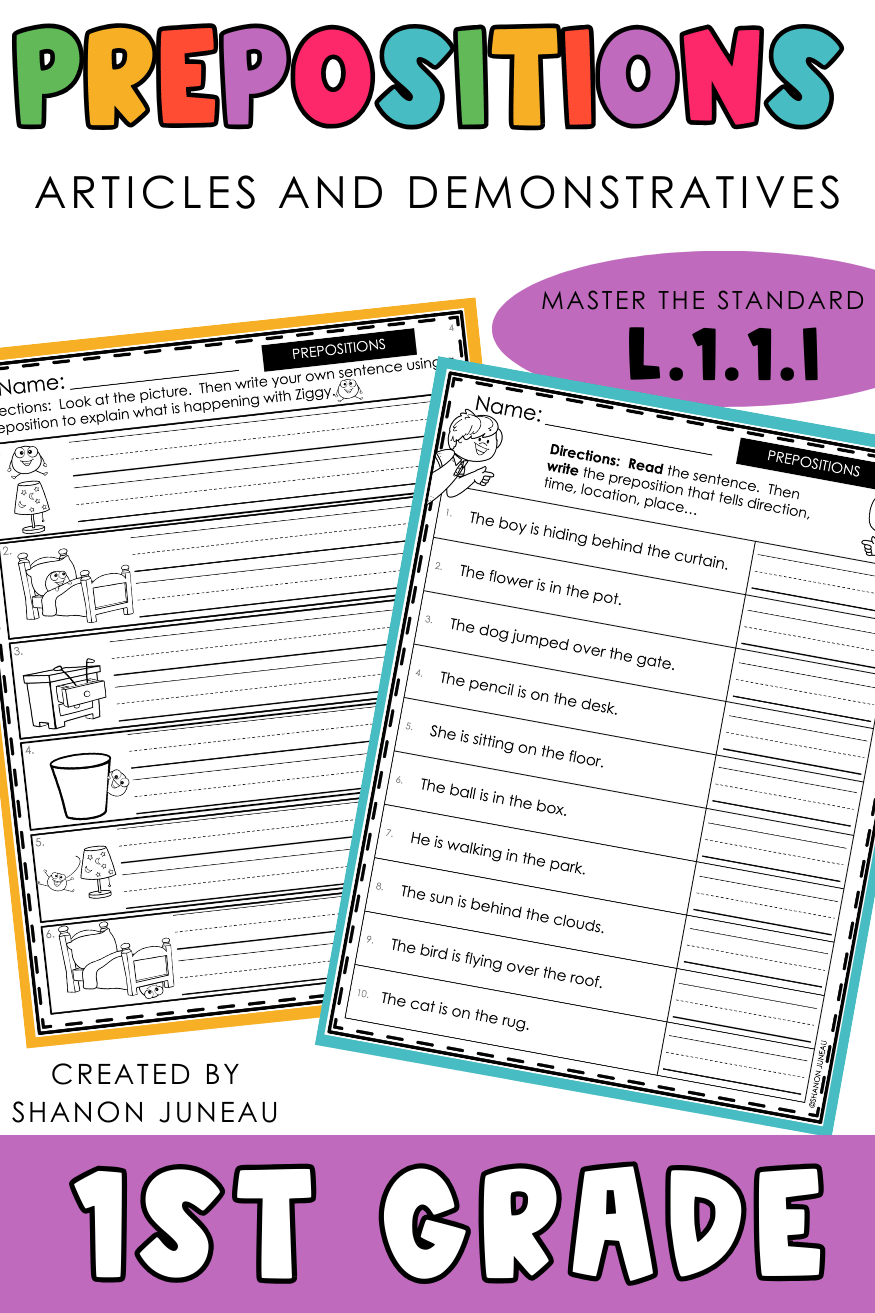
Prepositions may seem small, but they play a big role in helping students add detail and clarity to their writing. By learning how to correctly use words like “in,” “on,” “under,” and “beside,” first graders can describe where things are, when things happen, and how actions are connected.
Practicing prepositions builds a deeper understanding of sentence structure and helps students create more complete, descriptive sentences. Strong prepositional skills also support reading comprehension, as students can better understand relationships between ideas when they encounter them in texts.
Are you searching for Standards-Based Learning ELA activities to enhance your 1st-graders’ language skills? These master the standards worksheets cover frequently occurring prepositions. (Standard L.1.1.i) The simple layout and one standard topic is a great way for your students to get all the necessary practice to master the standard!
💬 “This resource was invaluable and my students were engaged the entire time! Excellent resource, thank you!” 💬
► COMES WITH:
- 25 Pages to practice these skills
- ANSWER KEYS
✏️ Ending punctuation Worksheets:
Ending punctuation is essential for helping first graders communicate their ideas clearly and effectively. Whether it’s a period, question mark, or exclamation point, the punctuation at the end of a sentence signals meaning, tone, and intent.
Without it, writing can become confusing and difficult to read. Practicing ending punctuation early helps students understand how their sentences connect to their readers, builds stronger writing habits, and improves overall comprehension when they read.
It’s a simple skill that makes a powerful difference in helping students become confident communicators.
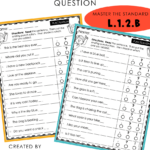
These master the standards worksheets cover ending punctuation (period, exclamation mark, and question mark) (Standard L.1.2.B) The simple layout and one standard topic is a great way for your students to get all the necessary practice to master the standard!
► COMES WITH:
- 30 Pages to practice these skills
- ANSWER KEYS
Dianna T. Gina R.
✏️ Adjective Worksheets:
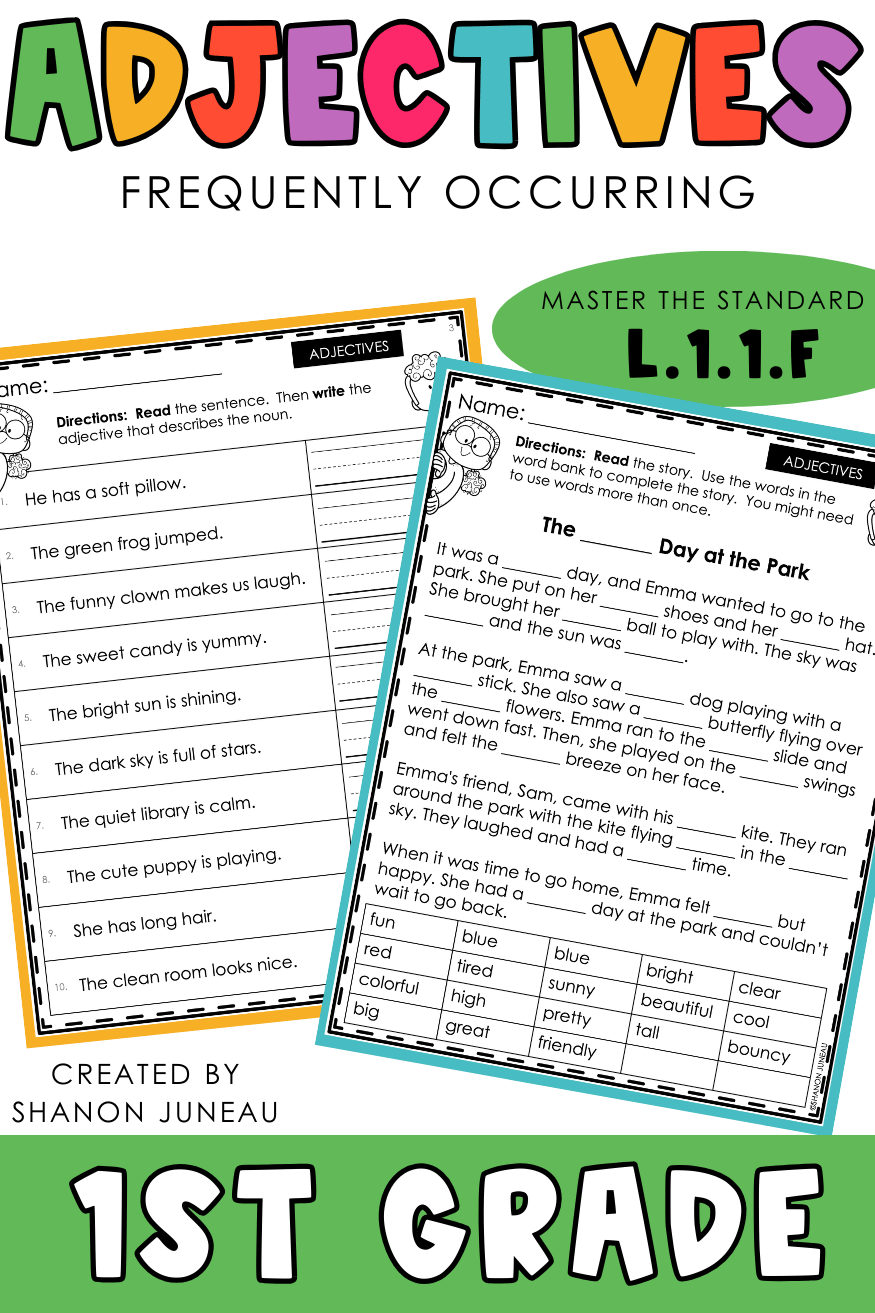
One of my favorite moments in first grade writing is when students discover the magic of adjectives. I’ll never forget reading a story from one of my kiddos that said, “I saw a dog.” Cute, but a little plain. After a mini-lesson on adjectives, that same student came back and proudly wrote, “I saw a fluffy, brown dog with a wagging tail.” Suddenly, I could see the dog!
Teaching adjectives helps students bring their ideas to life, adding color, emotion, and vivid detail to their writing. It turns simple sentences into experiences for the reader — and once students realize the power of a good describing word, their creativity truly takes off.
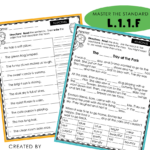
These master the standards worksheets cover frequently occurring adjectives. (Standard L.1.1.F) The simple layout and one standard topic is a great way for your students to get all the necessary practice to master the standard!
COMES WITH:
- 20 Pages to practice these skills
- ANSWER KEYS
✏️ Past Present Future Verb Worksheets:
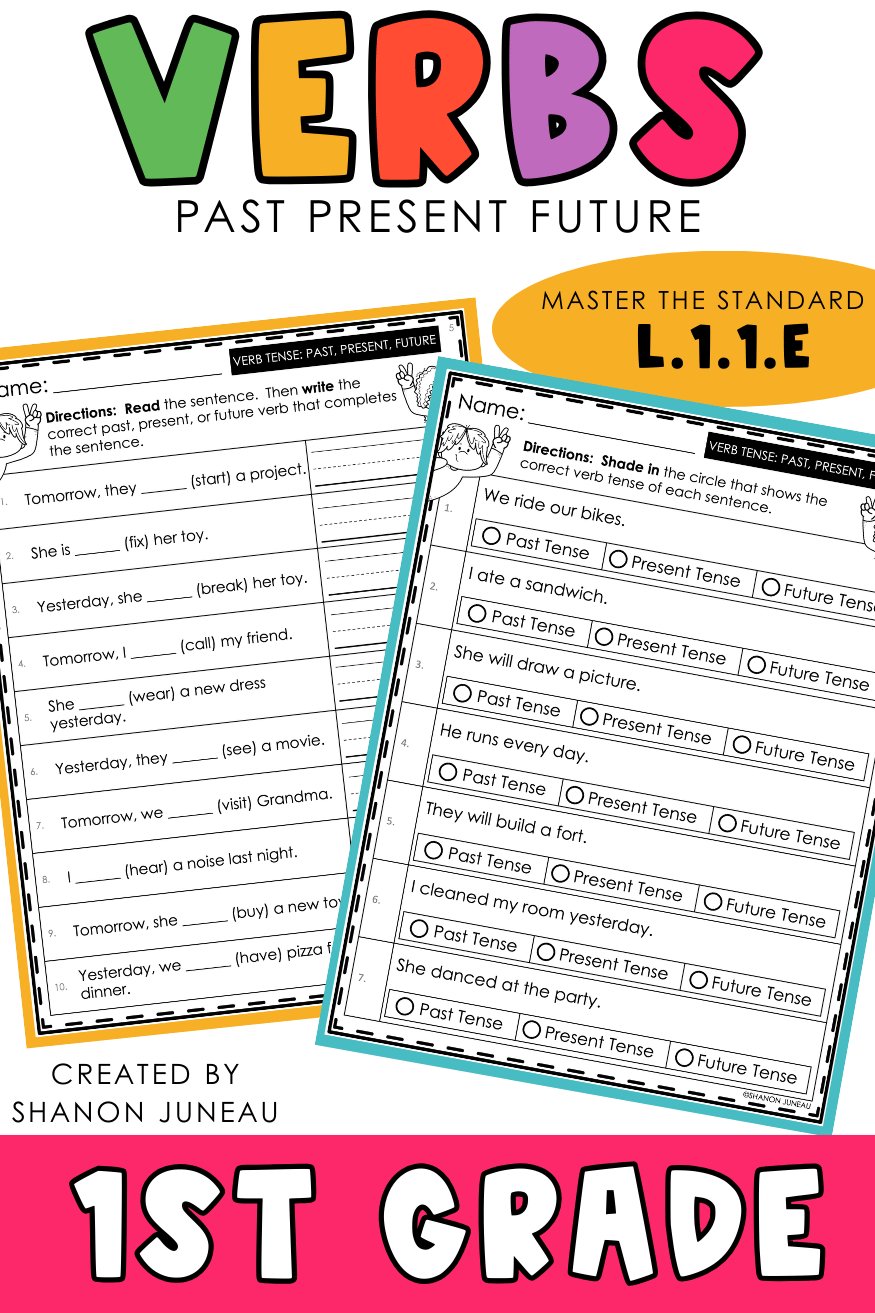
Understanding how verbs change based on time is essential for helping elementary writers create clear and organized communication. By learning to use past, present, and future verb tenses correctly, students can accurately describe when events happen, sequence their ideas logically, and make their writing easier for others to understand.
Early practice with verb tenses also supports stronger storytelling, builds critical thinking about time relationships, and lays the foundation for more advanced writing skills as students grow. Mastery of verb tenses gives young writers the tools they need to express ideas clearly and confidently.
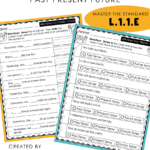
These master the standards worksheets cover past, present, and future tense verbs. (Standard L.1.1.E) The simple layout and one standard topic is a great way for your students to get all the necessary practice to master the standard!
► COMES WITH:
- 35 Pages to practice these skills
- ANSWER KEYS
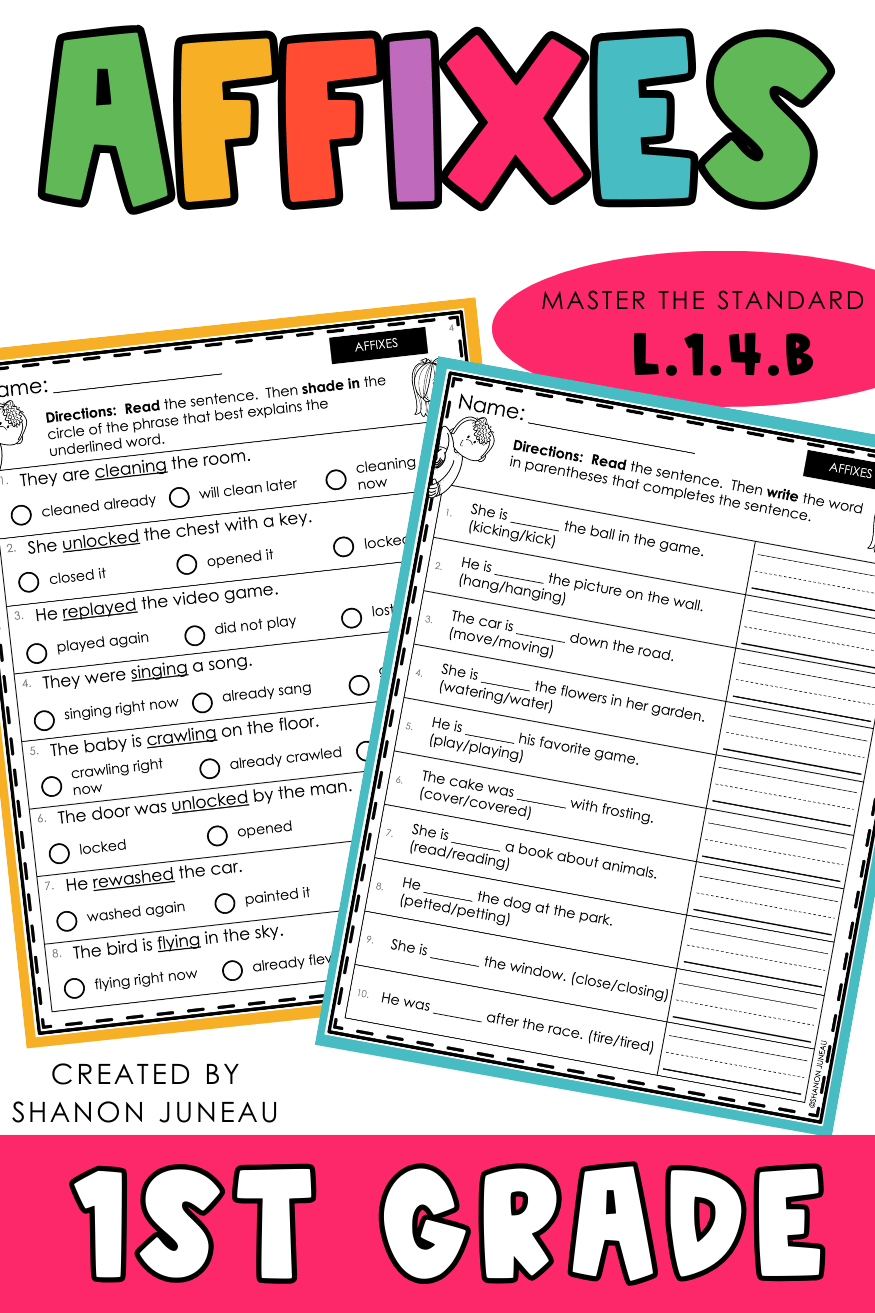
✏️ Prefixes and Suffixes Worksheets:
Learning about prefixes and suffixes helps young readers and writers unlock the meaning of new words. By understanding how a prefix can change the beginning of a word or a suffix can change its ending, students develop stronger vocabulary skills and improve their reading comprehension.
Early practice with prefixes and suffixes also empowers students to break apart unfamiliar words, making them more confident and independent when encountering challenging texts. In writing, knowing how to add prefixes and suffixes correctly allows students to expand their ideas, describe actions more precisely, and create more detailed sentences.
These master the standards worksheets cover frequently occurring prepositions. (Standard L.1.1.i) The simple layout and one standard topic is a great way for your students to get all the necessary practice to master the standard!
💬 “I have used this with all my students because we review these affixes during our phonics block.. so it was so helpful for us to use as another practice! ” Sarah L. 💬
► COMES WITH:
- 18 Pages to practice these skills
- ANSWER KEYS
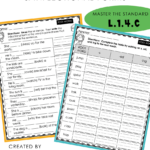
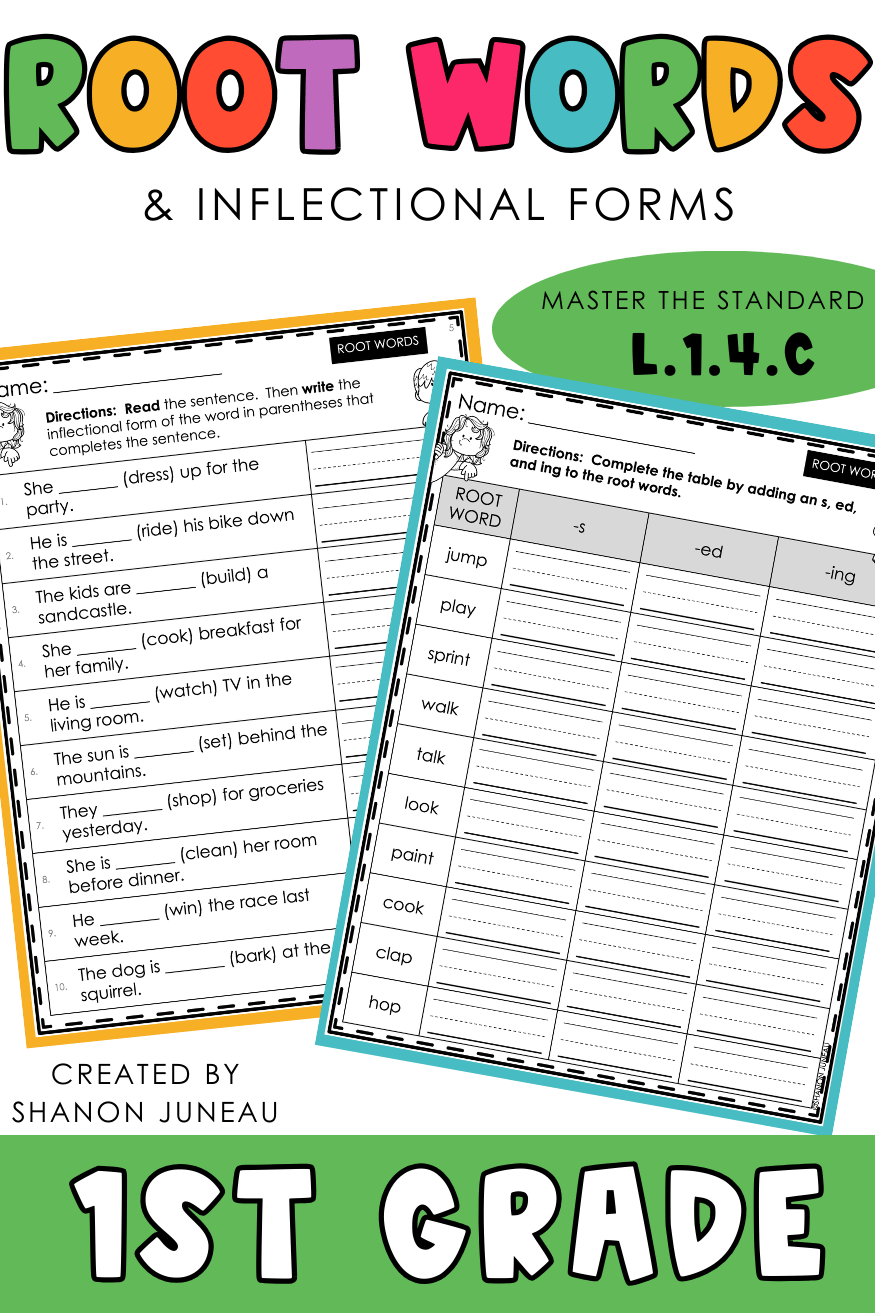
✏️ Root words Worksheets:
Understanding root words gives students a powerful strategy for building vocabulary and improving reading comprehension. When students recognize a root word, they can often figure out the meaning of unfamiliar words by combining it with known prefixes or suffixes.
This skill boosts their confidence in tackling new vocabulary, supports independent reading, and helps them become more flexible, resourceful learners. Early practice with root words also strengthens spelling and word analysis skills, both of which are critical for developing strong, capable writers.
These master the standards worksheets cover root words and inflectional forms. (Standard L.1.4.C) The simple layout and one standard topic is a great way for your students to get all the necessary practice to master the standard!
► COMES WITH:
- 30 Pages to practice these skills
- ANSWER KEYS
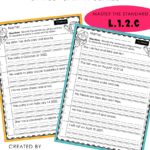
✏️ Commas in Dates and in a Series Worksheets:
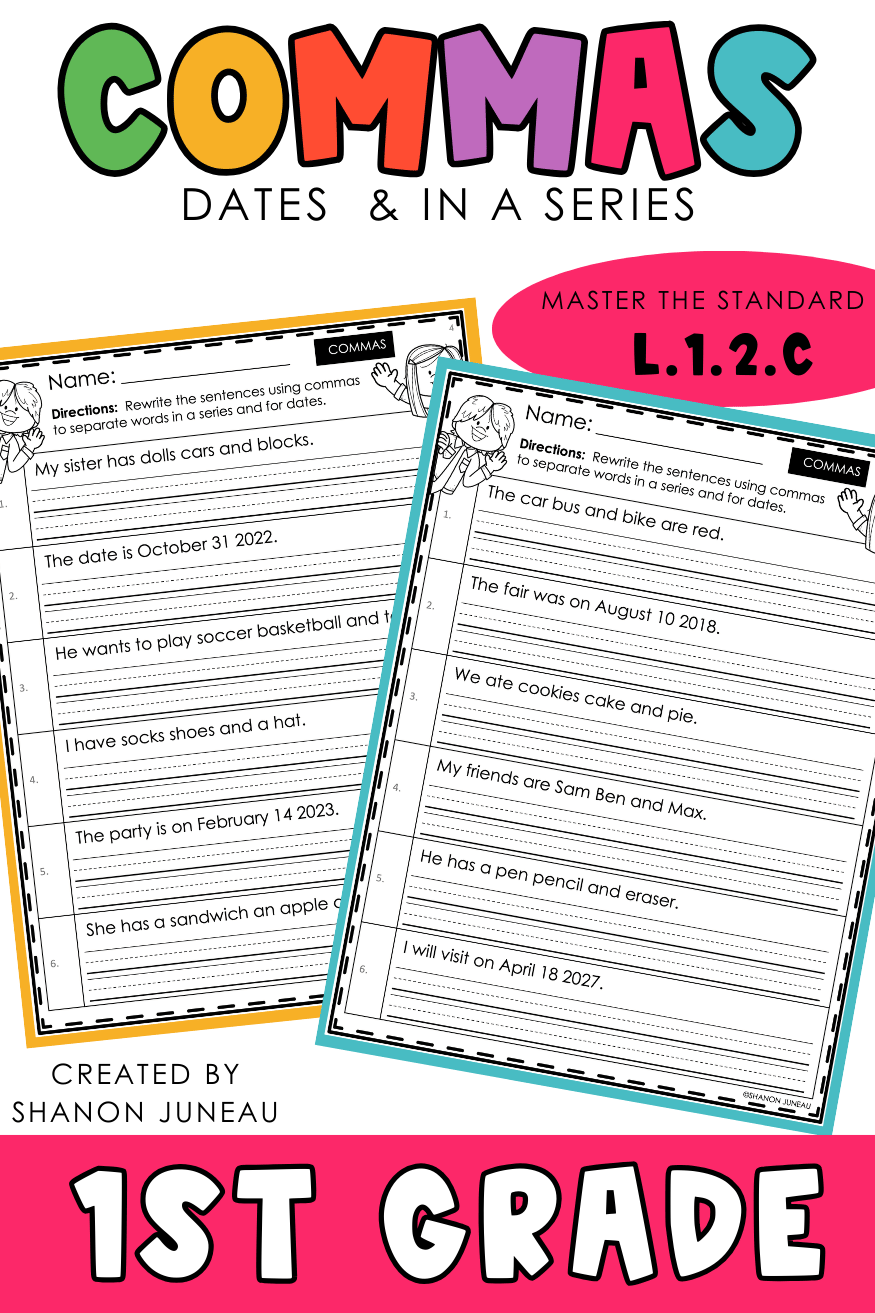
Teaching first graders how to use commas in dates and in a series helps their writing make sense and saves their readers from some serious confusion! Plus, mastering commas early on teaches students how to organize their thoughts clearly, and it gives their writing that polished, “I-know-what-I’m-doing” look that builds pride and confidence.
These master the standards worksheets cover commas in dates and in a series. (Standard L.1.2.C) The simple layout and one standard topic is a great way for your students to get all the necessary practice to master the standard!
► COMES WITH:
- 30 Pages to practice these skills
- ANSWER KEYS
✏️ Sorting by Attributes Worksheets:
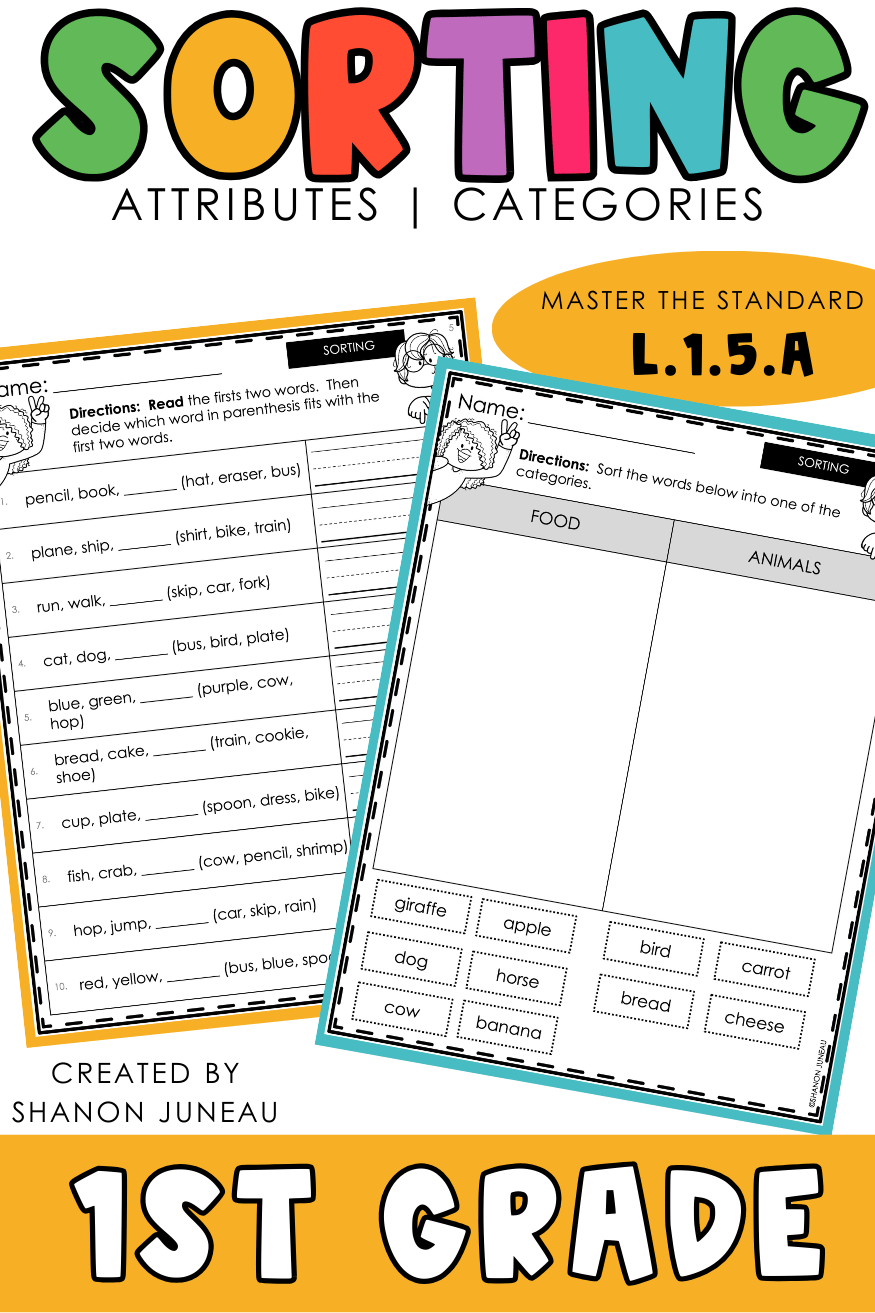
Sorting by attributes helps young learners build critical thinking, observation, and categorization skills that are foundational for math, science, and language development. When students group objects or ideas based on shared characteristics, such as size, color, shape, or type, they learn to recognize patterns, make comparisons, and organize information logically. These skills not only support academic success across subjects but also strengthen problem-solving abilities, setting students up for more complex thinking tasks as they progress through school.
Our master the standards worksheets cover sorting into categories by attributes (Standard L.1.5.A) The simple layout and one standard topic is a great way for your students to get all the necessary practice to master the standard!
► COMES WITH:
- 25 Pages to practice these skills
- ANSWER KEYS
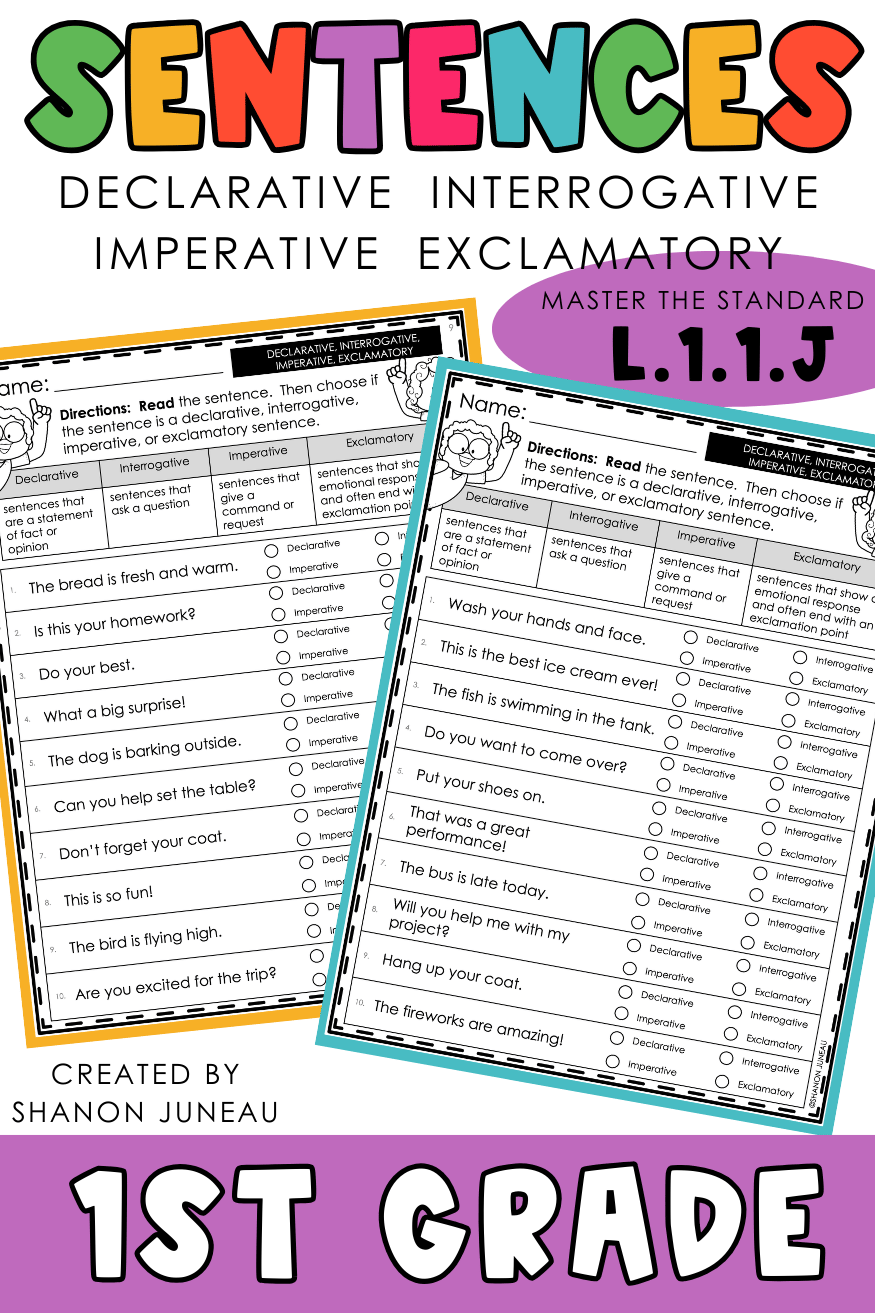
✏️ Commands and Exclamations Worksheets:
Not every sentence is created equal — and that’s where the fun begins!
Learning the four types of sentences, declarative, interrogative, imperative, and exclamatory — helps first graders understand that writing isn’t just about stringing words together; it’s about expressing different kinds of thoughts clearly and purposefully. Recognizing and using these sentence types teaches students how to state facts, ask questions, give commands, and show excitement. It makes their writing more dynamic, engaging, and organized. Practicing sentence types early on builds strong communication skills and helps students write with intention, which is key for success in every subject as they grow.
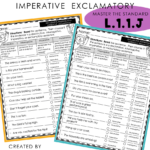
These master the standards worksheets cover four types of sentences – Declarative, Interrogative, Imperative, and Exclamatory (Standard L.1.1.J) The simple layout and one standard topic is a great way for your students to get all the necessary practice to master the standard!
► COMES WITH:
- 25 Pages to practice these skills
- ANSWER KEYS
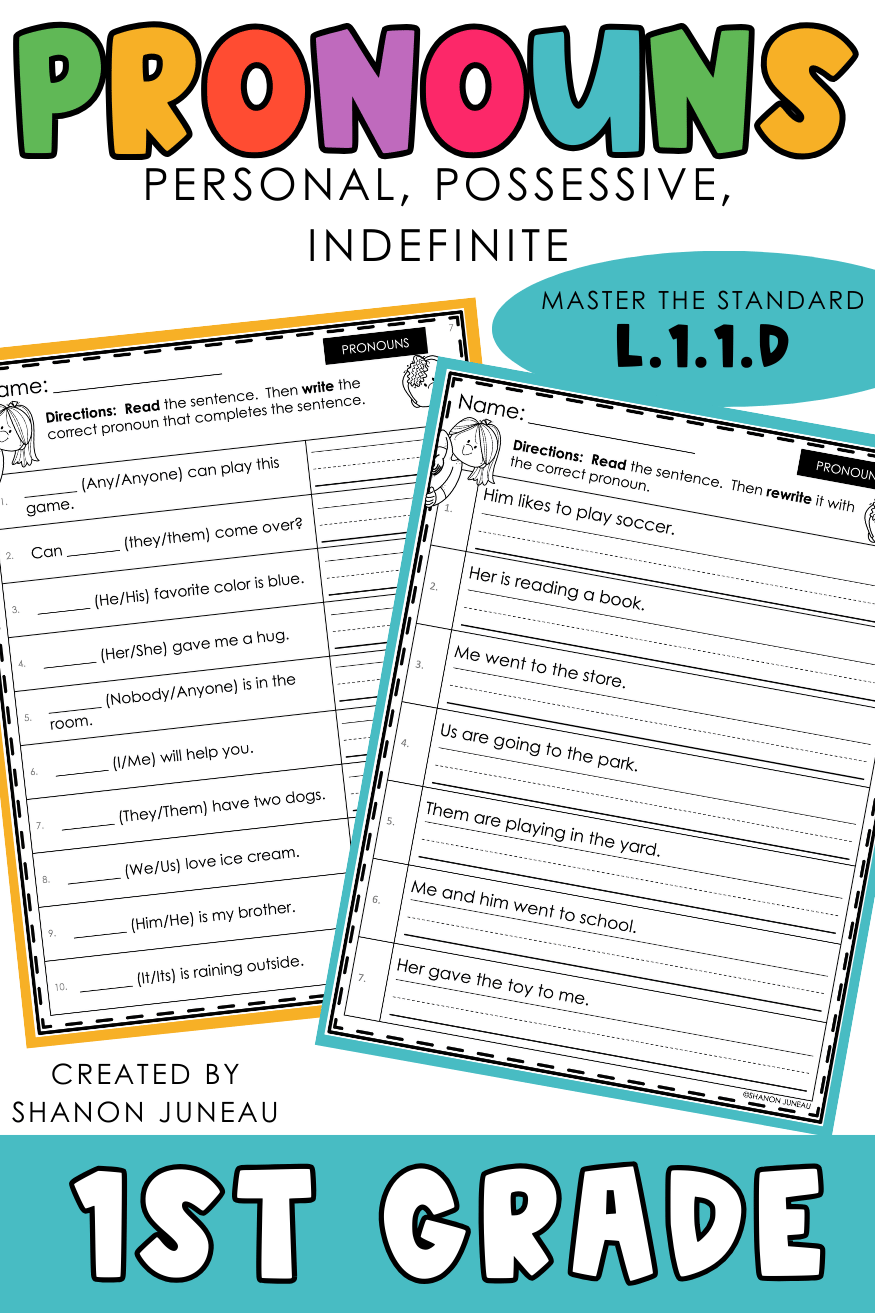
✏️ Pronoun Worksheets:
In first grade, students are just starting to build full, meaningful sentences, and pronouns play a huge role in that growth. Without pronouns, writing and speaking can become repetitive and awkward (“Sarah went to Sarah’s desk to get Sarah’s pencil”). Teaching students how to use pronouns correctly not only makes their communication smoother, but also helps them better understand sentence structure and storytelling. Early practice with pronouns builds strong grammar habits, boosts reading comprehension, and makes their writing sound more natural and polished — all essential skills as they continue to grow as readers and writers!
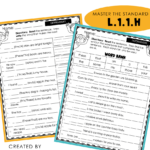
These master the standards worksheets cover Determiners (articles and Demonstratives) (Standard L.1.1.H) The simple layout and one standard topic is a great way for your students to get all the necessary practice to master the standard!
COMES WITH:
- 25 Pages to practice these skills
- ANSWER KEYS
✏️ Conjunctions Worksheets:
Sometimes little words do big jobs — and that’s exactly what conjunctions are all about!
Why Teach Conjunctions in 1st Grade
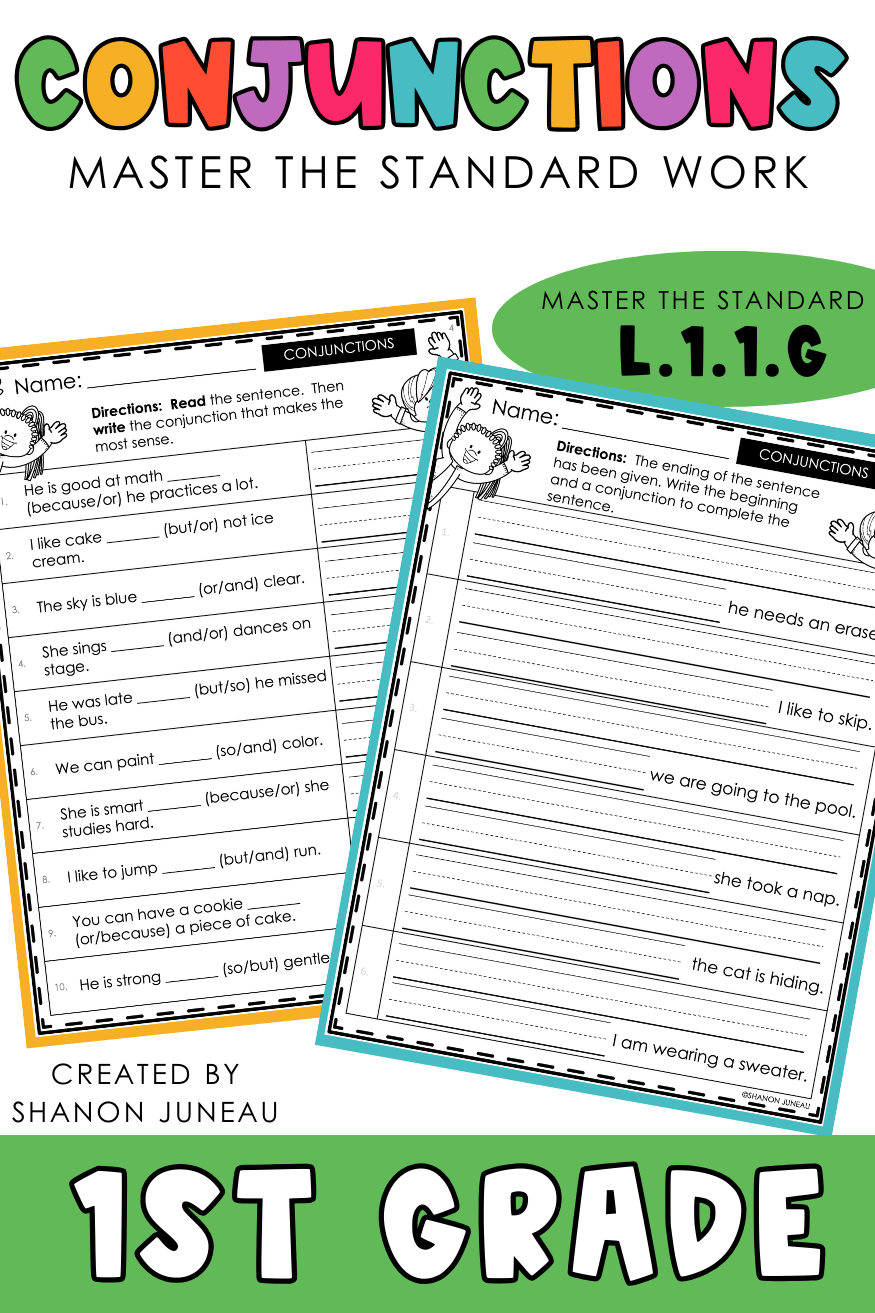
Teaching conjunctions like and, but, or, because, and so helps first graders connect their ideas and build stronger, more complete sentences. Without conjunctions, writing can feel choppy and disconnected. By learning how to link thoughts together, students create more detailed, interesting writing that flows naturally.
Early practice with conjunctions also boosts reading comprehension, encourages logical thinking, and helps young writers add important explanations and comparisons to their work.
These master the standards worksheets cover conjunctions (Standard L.1.1.G) The simple layout and one standard topic is a great way for your students to get all the necessary practice to master the standard!
► COMES WITH:
- 20 Pages to practice these skills
- ANSWER KEYS
✏️ Articles and Demonstrative Deteminers Worksheets:
Sometimes it’s the tiniest words that make the biggest difference in a sentence!
Why Teach Articles and Demonstrative Determiners in 1st Grade
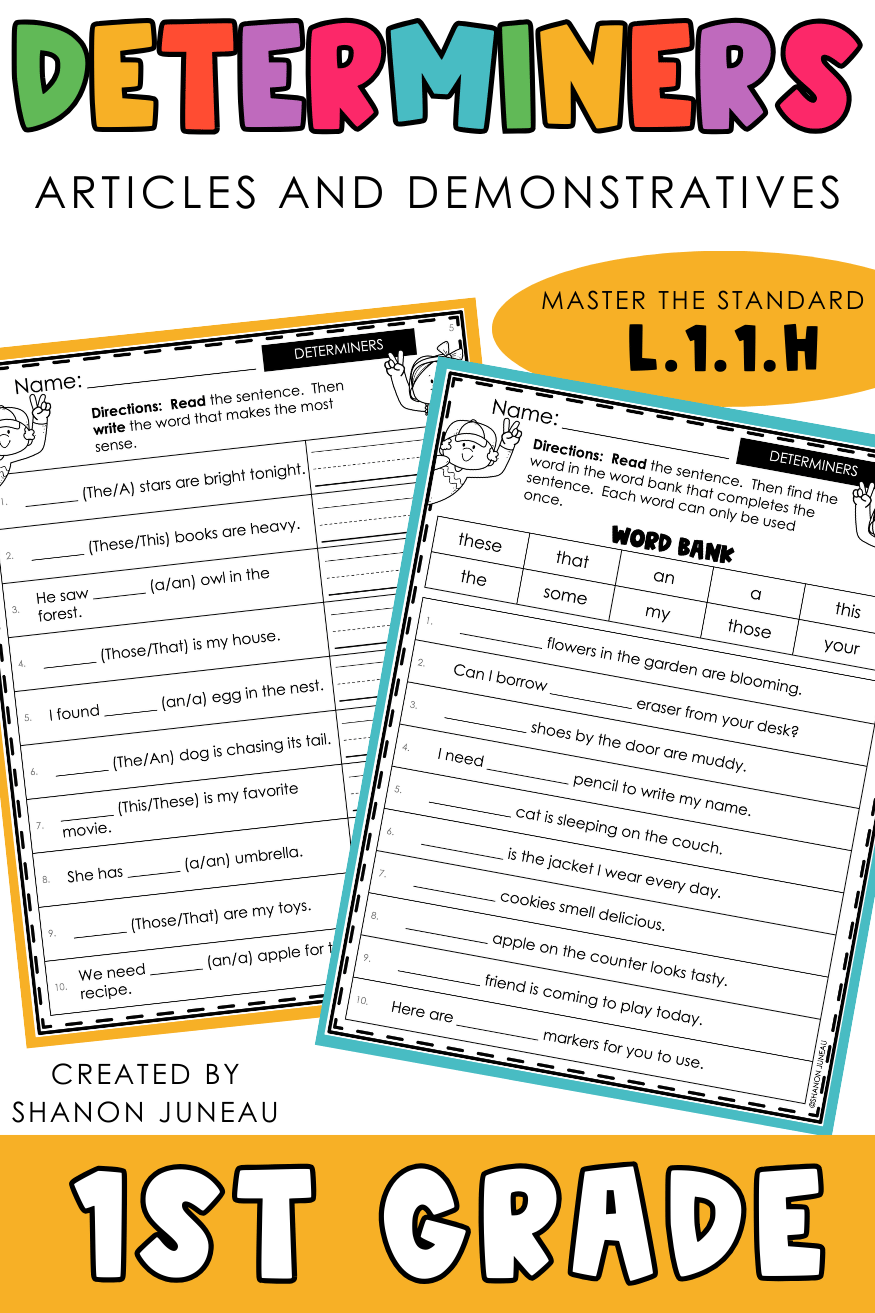
Articles (a, an, the) and demonstrative determiners (this, that, these, those) might seem small, but they play a huge role in helping first graders write and speak clearly. These words give important clues about which object or idea a sentence is talking about, helping students be more specific and precise.
Mastering articles and demonstrative words early strengthens sentence structure, improves overall clarity, and builds a solid foundation for more complex writing. It also supports smoother reading and better comprehension as students start tackling longer, more detailed texts.
Our master the standards worksheets cover Determiners (articles and Demonstratives) (Standard L.1.1.H) The simple layout and one standard topic is a great way for your students to get all the necessary practice to master the standard!
► COMES WITH:
- 25 Pages to practice these skills
- ANSWER KEYS
Grammar doesn’t have to be overwhelming — with the right tools and a little practice, it can actually be a lot of fun!
To start, whether you’re introducing prepositions, tackling punctuation, or polishing up nouns, every small step builds a stronger, more confident writer. And the best part? You’ve got this — and your students do too!
Remember: Little lessons today lead to big wins tomorrow.
Each time you teach a grammar skill, you’re helping students find their voice, organize their thoughts, and share their amazing ideas with the world.
So keep going — make it fun, keep it simple, and celebrate all the little victories along the way!